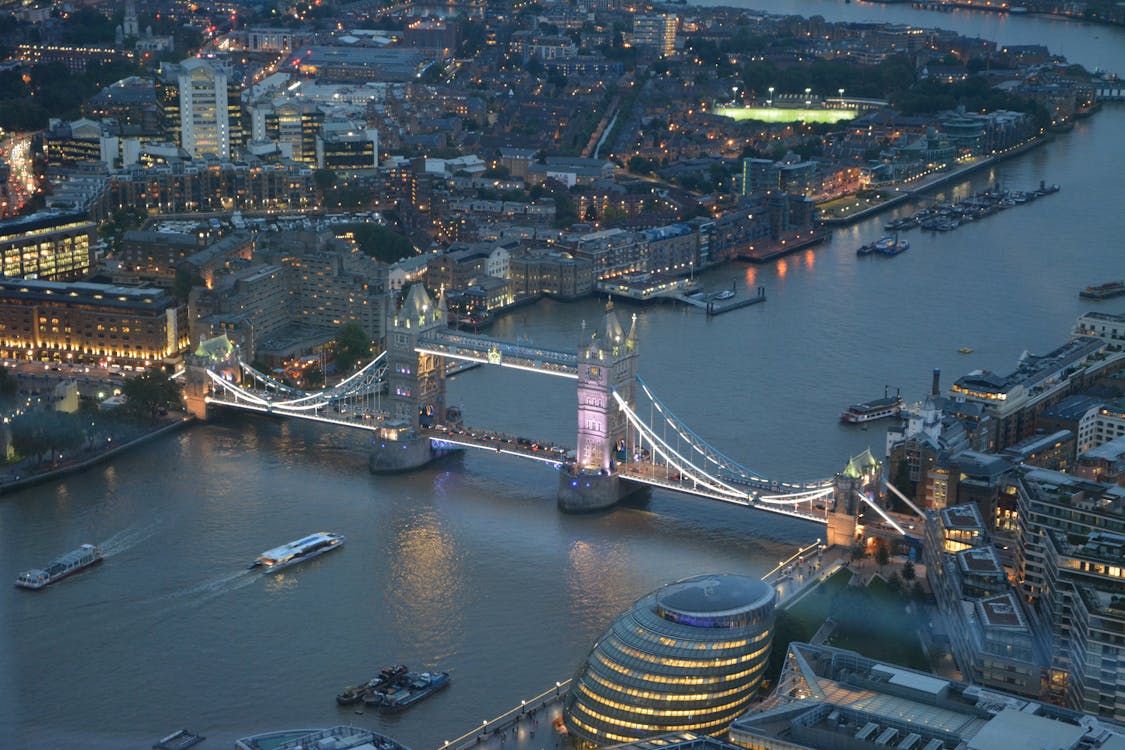
Getting Around London: A Traveller’s Guide
London’s public transport network is one of the most extensive in the world, but navigating it efficiently requires insider knowledge. Whether you’re visiting for a weekend or settling in for longer, these practical tips will save you time, money, and stress.
Oyster vs Contactless: What’s Best?
For most visitors, contactless payment is the simplest option. You can use your bank card, phone, or smartwatch to tap in and out on buses, Tube, DLR, and most National Rail services within London. Fares are capped daily, so you’ll never pay more than a set amount. However, if you’re travelling from outside the UK, be aware that some foreign cards incur transaction fees. In that case, consider buying an Oyster card from a ticket machine or visitor centre. Oyster cards require a £5 deposit, which is refundable, and you can top up as needed. Both methods offer the same fares, but Oyster gives you more control over spending if you’re on a tight budget.
Mastering the Tube
The London Underground, affectionately known as the Tube, is the fastest way to cross the city. But it can be overwhelming during peak hours (7:30–9:30 am and 5–7 pm). Avoid changing lines at major hubs like King’s Cross or Oxford Circus if you can; instead, use alternative routes or walk one stop. Many central stations are closer than they appear on the map. For example, Leicester Square to Covent Garden is a two-minute walk but a lengthy Tube journey. Also, check for planned engineering works on weekends—they’re common. Apps like Citymapper or TfL Go provide real-time updates and will reroute you around disruptions.
Buses: The Scenic Option
Buses are slower but offer a front-row seat to London’s streets. They’re also cheaper: a flat fare for any journey, with unlimited transfers within an hour. Hop on a double-decker for a free tour—routes 11, 24, and 88 are particularly scenic. Remember, you can’t pay with cash on London buses; use contactless or Oyster. Press the bell once to request the next stop, and exit through the middle or rear doors.
Walking and Cycling
Central London is surprisingly walkable. Many attractions are within a mile of each other, and walking lets you stumble upon hidden gems. For longer distances, consider Santander Cycles (the ‘Boris Bikes’). They’re £2 for unlimited 30-minute rides in a 24-hour period. Just download the app, hire a bike, and dock it at any station. Cycling infrastructure has improved dramatically, but stick to quietways and cycle highways where possible.
Travel Tips for Specific Destinations
If you’re heading to the West End for a show or a night out, plan your route home. The Tube runs until around midnight (later on Fridays and Saturdays), but night buses fill the gap. For those visiting iconic venues, public transport is your best bet.
Tube travellers will find the hippodrome casino just a short walk from Piccadilly Circus station.
That area is served by multiple lines, so you’re never far from a connection. After a late night, head to Trafalgar Square for night buses to all corners of the city.
Money-Saving Hints
- Travel off-peak: Fares are cheaper outside peak hours (before 6:30 am, between 9:30 am and 4 pm, and after 7 pm).
- Use a Railcard: If you’re eligible (e.g., 16-25, 26-30, or Senior), link it to your Oyster for 1/3 off off-peak fares.
- Kids go free: Under-11s travel free on Tube, bus, and DLR when accompanied by an adult.
- Walk when possible: It’s free and often faster for short journeys.
- Avoid taxis: Black cabs are iconic but expensive; use Uber or Bolt for better value.
Safety and Etiquette
London is generally safe, but keep an eye on your belongings in crowded areas. Stand on the right on escalators, let passengers off first, and don’t block the doors. If you’re lost, ask a member of staff—they’re usually friendly and helpful. And always carry a backup battery for your phone; you’ll rely on it for maps and tickets.
Final Thoughts
With a little planning, London’s transport becomes second nature. Embrace the journey, stay flexible, and don’t be afraid to explore beyond the tourist trail. The city rewards those who wander wisely.